
In an era marked by unprecedented global challenges, the ability to respond swiftly and effectively to crises has become paramount for organizations, governments, and communities worldwide. Emergency management is no longer a reactive discipline but a proactive science that demands innovative approaches and cutting-edge technologies.

The landscape of crisis management has evolved dramatically over the past decade, driven by increasing climate-related disasters, public health emergencies, and complex humanitarian crises. Traditional emergency response frameworks, while foundational, often struggle to keep pace with the velocity and complexity of modern emergencies. This reality has catalyzed the development of rapid crisis response models that prioritize speed, coordination, and adaptability as core principles of effective emergency management.
🚨 The Evolution of Emergency Response Systems
Emergency management has undergone a remarkable transformation from its origins as primarily reactive firefighting operations to sophisticated, multi-layered systems capable of anticipating and mitigating crises before they escalate. The journey from traditional command-and-control structures to agile, networked response models reflects broader shifts in organizational theory and technological capabilities.
Historical emergency response relied heavily on hierarchical communication channels, paper-based documentation, and siloed decision-making processes. These systems, while effective in their time, created bottlenecks that could prove fatal during time-sensitive emergencies. The 2005 Hurricane Katrina disaster in the United States starkly illustrated the consequences of coordination failures and communication breakdowns in emergency management.
Today’s rapid crisis response models incorporate lessons learned from decades of emergency operations, integrating real-time data analytics, artificial intelligence, and collaborative platforms that enable seamless coordination across multiple agencies and jurisdictions. This evolution represents not merely technological advancement but a fundamental reimagining of how societies prepare for and respond to emergencies.
Core Components of Rapid Crisis Response Models
Effective rapid response systems share several essential characteristics that distinguish them from conventional emergency management approaches. Understanding these components provides insight into how organizations can transform their crisis management capabilities.
Real-Time Information Integration
The foundation of any swift crisis response lies in the ability to gather, process, and disseminate information with minimal latency. Modern systems leverage Internet of Things (IoT) sensors, social media monitoring, satellite imagery, and crowdsourced data to create comprehensive situational awareness. This multi-source intelligence allows emergency managers to understand developing situations with unprecedented clarity and speed.
Information integration platforms now employ machine learning algorithms that can identify patterns, predict crisis trajectories, and automatically alert relevant stakeholders. This automated intelligence gathering reduces the cognitive load on human operators while ensuring that critical information reaches decision-makers when it matters most.
Predictive Analytics and Early Warning Systems
Prevention and early intervention consistently prove more effective and cost-efficient than reactive responses. Rapid crisis response models incorporate predictive analytics that analyze historical data, weather patterns, seismic activity, epidemiological trends, and social indicators to forecast potential emergencies before they manifest fully.
These early warning systems provide crucial lead time for evacuation, resource prepositioning, and public communication. Communities equipped with robust prediction capabilities can activate response protocols hours or even days before a crisis strikes, dramatically reducing casualties and damage.
Flexible Command Structures
Traditional hierarchical command structures can become paralyzed during complex, multi-faceted emergencies that require rapid adaptation. Modern crisis response models implement flexible incident command systems that scale dynamically based on the nature and scope of the emergency.
These adaptive structures empower field operators with decision-making authority while maintaining strategic coordination at higher levels. The balance between centralized oversight and distributed autonomy enables organizations to respond with both coherence and agility.
Technology as the Great Accelerator ⚡
Digital transformation has revolutionized virtually every aspect of emergency management, creating capabilities that would have seemed like science fiction just a generation ago. The strategic application of technology multiplies the effectiveness of human expertise and extends the reach of emergency services.
Mobile Applications and Digital Communication Platforms
Smartphones have become indispensable tools for crisis communication and coordination. Emergency management agencies worldwide have developed mobile applications that enable citizens to receive alerts, report incidents, access emergency resources, and communicate with responders in real-time.
These platforms create bidirectional information flows that transform citizens from passive recipients of emergency services into active participants in community resilience. During disasters, crowdsourced information from mobile users often provides the most current and granular intelligence available to emergency managers.
Artificial Intelligence and Machine Learning
AI technologies are reshaping emergency management across multiple domains. Natural language processing algorithms can analyze thousands of social media posts per second to identify emerging crises and public sentiment. Computer vision systems process satellite and drone imagery to assess damage, locate survivors, and identify optimal routes for emergency vehicles.
Machine learning models trained on historical emergency data can optimize resource allocation, predict hospital surge requirements, and identify vulnerable populations requiring special assistance. These capabilities enable emergency managers to make data-informed decisions even amid the chaos and uncertainty that characterize crisis situations.
Drone Technology and Autonomous Systems
Unmanned aerial vehicles have become standard equipment for modern emergency response teams. Drones provide rapid aerial reconnaissance, deliver medical supplies to inaccessible areas, establish temporary communications networks, and even assist in search and rescue operations.
The speed with which drones can be deployed and their ability to access dangerous or remote locations make them invaluable force multipliers for emergency teams. As autonomous capabilities advance, these systems will assume increasingly sophisticated roles in crisis response operations.
Building Organizational Capacity for Swift Response
Technology alone cannot transform emergency management. Organizations must develop the human capabilities, institutional structures, and cultural attributes that enable rapid, effective crisis response. This organizational transformation often proves more challenging than technological implementation.
Training and Simulation Exercises
Effective crisis response depends on personnel who can perform complex tasks under extreme pressure. Regular training exercises that simulate realistic emergency scenarios build the muscle memory and situational awareness that distinguish high-performing emergency teams.
Modern training programs increasingly incorporate virtual reality and augmented reality technologies that create immersive simulation environments. These tools allow responders to experience rare but high-consequence scenarios without the logistical challenges and safety risks of full-scale exercises.
Inter-Agency Collaboration Frameworks
Most significant emergencies require coordinated responses from multiple organizations spanning different levels of government, private sector entities, and nonprofit organizations. Establishing collaboration frameworks before crises occur eliminates confusion and delays during actual emergencies.
Successful inter-agency frameworks define clear roles and responsibilities, establish common communication protocols, create shared resource inventories, and conduct regular joint exercises. These preparatory investments pay enormous dividends when disasters strike.
📊 Measuring Success: Key Performance Indicators for Crisis Response
Organizations committed to continuous improvement must establish metrics that assess crisis response effectiveness. While every emergency presents unique challenges, certain performance indicators consistently correlate with successful outcomes.
| Performance Indicator | Target Benchmark | Why It Matters |
|---|---|---|
| Initial Response Time | Under 15 minutes | Early intervention saves lives and limits damage escalation |
| Inter-Agency Communication Latency | Under 5 minutes | Coordination speed determines overall response effectiveness |
| Public Alert Reach | 95%+ of affected population | Warnings only work if they reach those at risk |
| Resource Utilization Rate | 80-90% | Efficient allocation prevents shortages and waste |
| Recovery Timeline | Varies by incident type | Swift recovery reduces long-term community impacts |
These metrics provide objective bases for evaluating response performance and identifying improvement opportunities. Organizations should conduct after-action reviews following every significant incident to analyze performance data and extract operational lessons.
Community Resilience: The Human Dimension of Emergency Management
While response models and technologies capture much attention, community resilience ultimately determines how societies weather and recover from crises. Resilient communities possess the social capital, economic resources, and psychological fortitude to absorb shocks and rebuild stronger.
Emergency management professionals increasingly recognize their role extends beyond immediate response to fostering long-term community resilience. This broader mandate includes public education initiatives, vulnerability assessments, infrastructure hardening, and social support systems that help communities prepare for inevitable future challenges.
Public Education and Preparedness Programs
Informed citizens represent the first line of defense against many emergencies. Comprehensive public education programs teach individuals and families how to prepare emergency kits, develop evacuation plans, administer first aid, and support neighbors during crises.
These programs work best when tailored to specific community contexts, addressing local hazards and cultural considerations. Multilingual materials, accessible formats for people with disabilities, and engagement with trusted community leaders ensure preparedness information reaches all population segments.
Addressing Vulnerability and Equity
Disasters disproportionately impact vulnerable populations including elderly individuals, people with disabilities, low-income communities, and linguistic minorities. Rapid crisis response models must explicitly address these equity dimensions to ensure protection for all community members.
This commitment requires identifying vulnerable populations before emergencies occur, understanding their specific needs, and developing targeted support mechanisms. Equity-centered emergency management recognizes that treating everyone identically often perpetuates rather than reduces disparities.
Challenges and Future Directions 🔮
Despite remarkable progress, rapid crisis response systems face persistent challenges that will shape the future evolution of emergency management. Addressing these obstacles requires sustained commitment, resources, and innovation from all stakeholders.
Data Privacy and Security Concerns
The information-intensive nature of modern emergency management raises important privacy questions. Balancing the legitimate need for situational awareness with individual privacy rights requires careful policy development and robust technical safeguards.
Cybersecurity represents another critical concern as emergency management systems become increasingly digitized. Adversaries who compromise crisis response infrastructure could cause catastrophic consequences. Protecting these systems demands continuous vigilance and investment in security measures.
Resource Constraints and Sustainability
Implementing and maintaining sophisticated rapid response systems requires substantial financial investment that many communities struggle to afford. This resource gap creates dangerous disparities in emergency management capabilities between wealthy and disadvantaged areas.
Sustainable emergency management requires creative funding approaches, resource sharing arrangements, and scalable solutions that deliver value across organizations of different sizes and capacities. The emergency management community must continue developing cost-effective tools and strategies that democratize access to life-saving capabilities.
Climate Change and Emerging Threats
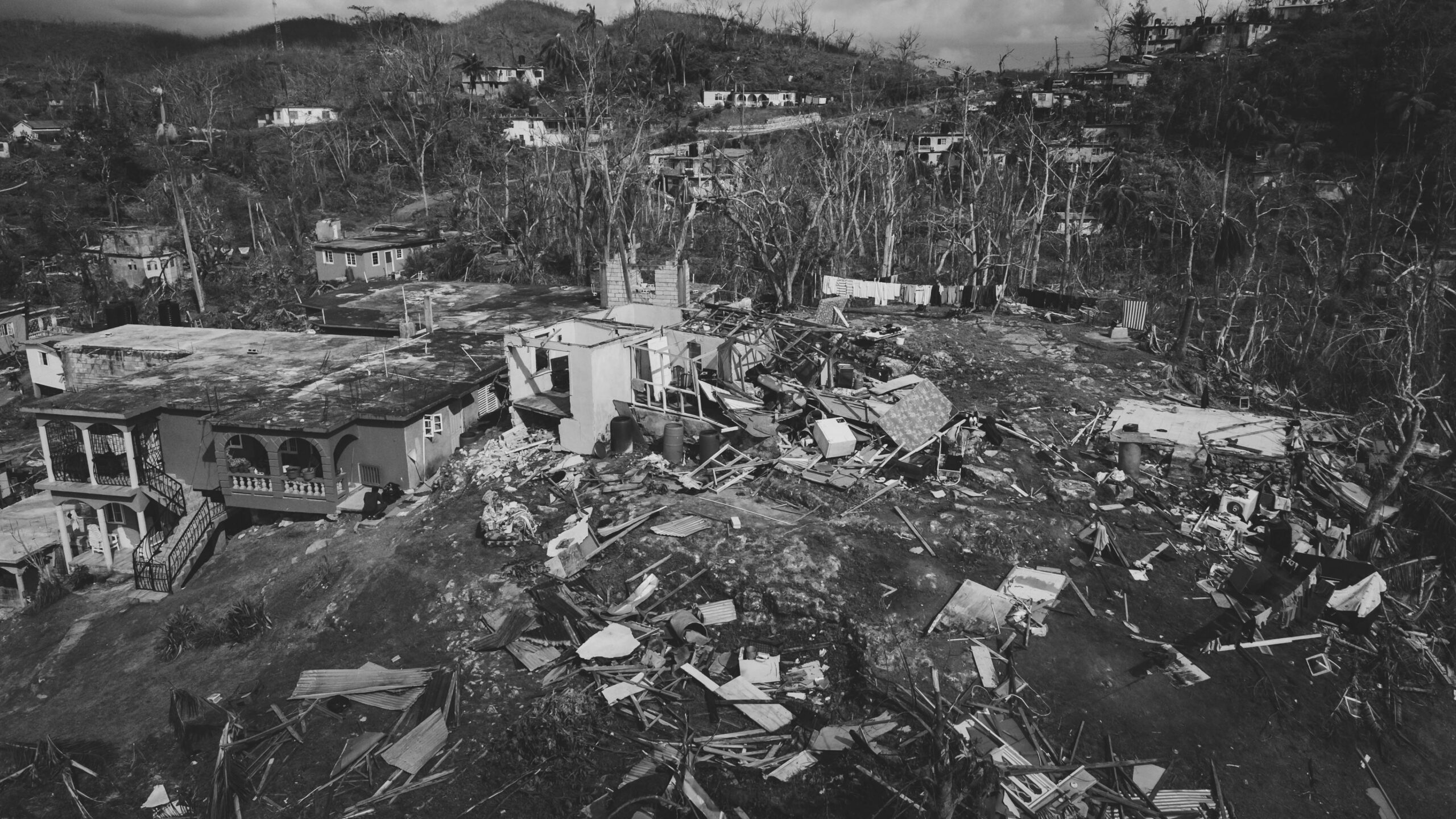
The climate crisis is fundamentally altering the risk landscape, increasing the frequency and intensity of weather-related emergencies while creating novel challenges. Emergency management systems must adapt to this new reality while simultaneously preparing for emerging threats including pandemics, cyberattacks, and complex humanitarian emergencies.
This dynamic threat environment demands continuous learning, flexible systems, and the humility to acknowledge that perfect prediction remains impossible. Organizations must build adaptive capacity that enables effective responses even to surprises and unprecedented situations.
Transforming Tomorrow’s Emergency Management Today
The transformation of emergency management through rapid crisis response models represents one of the most significant developments in public safety and organizational resilience. These systems combine technological innovation, organizational excellence, and community engagement to create capabilities that save lives, protect property, and accelerate recovery.
Success in this domain requires sustained commitment from leaders who recognize that emergency management investments pay dividends not just during crises but through enhanced organizational capacity and community resilience. The organizations and communities that embrace rapid response models position themselves not merely to survive emergencies but to emerge stronger from adversity.
As we navigate an increasingly uncertain world, the principles and practices of swift crisis response offer a pathway toward greater security and resilience. The journey requires continuous improvement, collaboration across boundaries, and the courage to reimagine what effective emergency management can achieve. Those who undertake this journey contribute to a safer, more prepared world for current and future generations. 🌍